
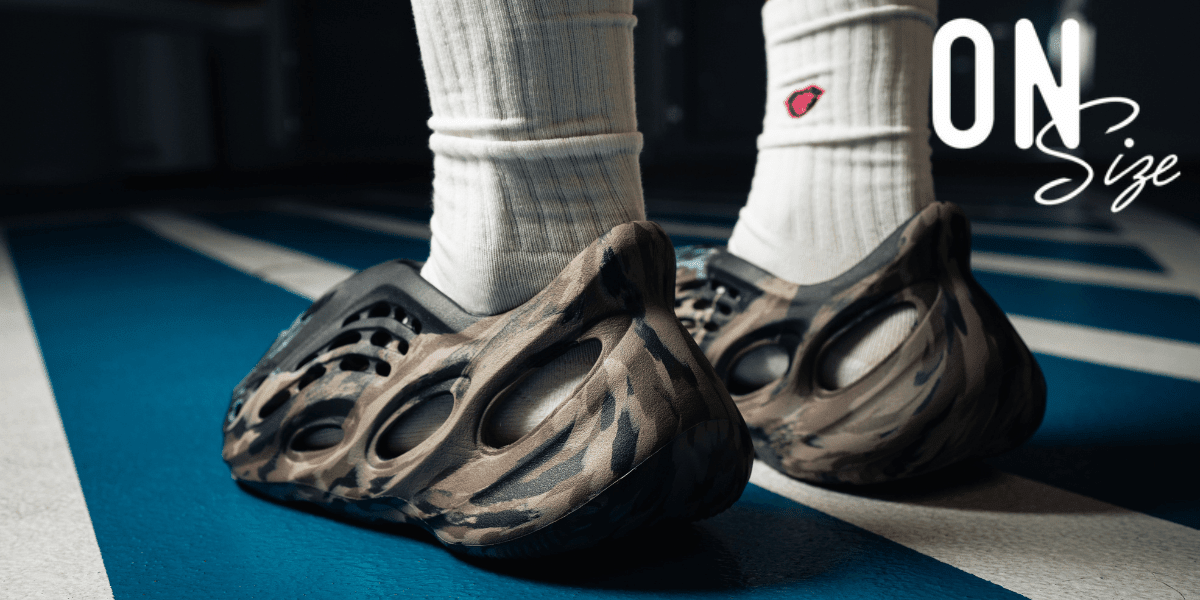
Few sneakers have a design language as distinctive as Yeezy models. Their unusual proportions, chunky soles and signature lines make them recognizable from a mile away – and the Foam RNR stands out even in that crowd.
Once you start browsing Yeezy shoes, you quickly realize how different the models are. The 350 is a lighter sneaker with a flexible knit upper, the 500 is chunkier and more layered, and the 700 borrows from the world of retro runners. The Slide and Foam RNR move away from classic sneaker shapes altogether. So which one fits the way you dress and what you'd actually use the shoe for?
What is adidas Yeezy?
adidas Yeezy sneakers and slides differ a lot from each other in both build and shape. The family includes the 350, 500 and 700 sneakers, plus the Slide and the Foam RNR. They're known for instantly recognizable shapes, unusual proportions and materials and soles that vary from model to model.
How do the models differ?
The Yeezy 350 is a light, flexible sneaker that's less chunky than the rest of the family. The 500 has a more substantial build, while the 700 follows the look of retro runners. The Slide is a simple slip-on slide, and the Foam RNR is a light, perforated, futuristic model. So when choosing, think beyond the look and consider where and with what clothes you'll wear them.

Five Yeezys, five different builds
You can see the difference between Yeezy models in their construction alone. They use different materials, different sole setups and completely different proportions, so the five types aren't just five versions of the same shape.
1. Yeezy 350: Primeknit and Boost
One of the defining features of the adidas Yeezy 350 is its flexible Primeknit upper that follows the line of the foot. The knit comes with few rigid elements, so the sneaker's shape is slimmer and less sculpted than the 500 or 700. The midsole uses Boost technology: made from expanded TPU pellets, it compresses under load and then bounces back to its original shape. That's what gives the 350 its soft, springy feel underfoot.
2. Yeezy 500: more materials, more layers
On the Yeezy 500 upper, mesh, suede and leather alternate. Stacked panels and rounded lines give the shoe a chunkier look. There's no Boost in the sole: the 500 uses Adiprene cushioning, which also sets its construction apart from the 350.
3. Yeezy 700: the retro runner line
On the V1 and V2 versions of the Yeezy 700, suede and leather panels sit on a mesh base, with Boost in the midsole. The layered upper and chunky sole channel the look of retro runners. The V3 is noticeably different: it gets an external cage and uses an EVA midsole instead of Boost.
4. Yeezy Slide: simple shape, statement sole
The Yeezy Slide is made from EVA foam, and its design is defined by the wide strap across the foot and the thick sole. The curves of the upper and sole flow smoothly into each other, giving it a blocky, rounded shape even from the side. Deep horizontal grooves run along the bottom of the sole for grip, and they're also a signature part of the Slide's look.
5. Yeezy Foam RNR: a perforated one-piece shape
The Yeezy Foam Runner is molded in one piece from light foam, so the upper and sole form a single continuous shape. Cutouts of different sizes run along the sides and top, which also keep the air flowing. Its rounded lines and irregular cutouts create the signature futuristic look that makes the Foam RNR recognizable at first glance.
Yeezy 350 vs. 500 vs. 700 vs. Slide vs. Foam RNR
Not every Yeezy works for everyone. While the Yeezy 350, 500 and 700 are all sneakers, they differ in build and use. And the Slide and Foam RNR are practical in other situations by their very design. Here's how the key factors compare:
| Model | Underfoot feel | How much support? | When is it practical? | How much does it define the fit? |
|---|---|---|---|---|
| 350 | Soft, springy. | The knit upper wraps the foot but is less rigid. | Everyday wear, especially in milder weather. | Understated, easy to style. |
| 500 | Less soft, more stable. | Its structured upper supports the foot better. | City wear, all day long. | Chunky, but less futuristic. |
| 700 | Soft, but more stable than the 350. | Its structured build holds the foot more firmly. | Everyday use, even on cooler days. | Chunky, strongly shapes the overall look. |
| Slide | Soft, light. | As a slide, it gives only minimal support. | Warm weather, at home or for chill plans. | Simple, minimalist. |
| Foam RNR | Soft, springy. | Its closed shape wraps the foot, but it isn't rigid. | Mainly mild and warm weather. | Bold, eye-catching. |
So the difference isn't just about which model is softer or louder. The 350, 500 and 700 give different support and a different feel on foot, while how you use the Slide and Foam RNR depends more on the occasion and the weather.

Yeezy sizing: why there's no single rule
With Yeezys, there's no sizing rule that applies to every model. The same size can be comfy in one and tight in another, so always check the specific model.
Yeezy 350 V2
The adidas Yeezy 350 V2 has a narrower fit, so many people go half a size up. If you have wider feet, you might need to go up even more.

Yeezy 500
Sizing on the 500 is less tricky: for most people their usual size works. With wider feet, going half a size up can be more comfortable here too.
Yeezy 700
With the Yeezy 700, the version matters. The V1 can run narrow, the V2 usually leaves more room for the foot, and the V3 is a narrower fit again.
Slide and Foam RNR
The Slide and Foam RNR come in whole sizes only, so if you're a half size you have to choose between the smaller and larger size anyway. Foot width matters a lot here, so it's worth checking the sizing for the specific version before you buy.
What to wear them with? With Yeezys, proportions decide
Yeezy shapes are different enough that the same pants work differently with each one. Beyond the cut, pay attention to pant length too: what looks good with the slimmer 350 is different from what works with the chunkier 500 or 700.
350: don't hide the shoe
The 350 pairs well with straight or slightly tapered jeans and cargos. You can wear it with looser pants too, but a leg that's too long can hide the 350's signature shape. It also works great with shorts, especially with a simple tee or sweatshirt. A 350 in a muted colorway slots easily into solid-color, neutral fits as well.
500 and 700: bring on the wider cuts
The Yeezy 500's chunky shape looks great with straight or wide-leg jeans, cargos and sweatpants. The Yeezy 700 works with similar cuts. With the 700, though, keep an eye on colors: a Wave Runner already brings plenty of color to the outfit, so your fit stays bold enough even with simple jeans, a tee or solid-color pants.
Slide and Foam RNR: keep it simple and relaxed
The Slide goes with shorts, sweatpants or relaxed linen pants. Wider jeans and cargos also work well with the Yeezy Foam Runner, and with shorts the shoe's unusual shape stays fully visible. Super skinny pants are less of a match, since they create a strong contrast with the Foam RNR's wide, rounded shape.
Which Yeezy works in which season?
Not all five models work equally well all year round. The knit-upper 350 is mainly practical from spring to fall, while the more closed 500 and 700 are comfy in cooler weather too. That said, Yeezys aren't winter shoes, especially in rain or snow. The Slide is clearly a summer piece, and the Foam RNR's cutouts give great ventilation when it's hot.
Which Yeezy is right for you?
Once you know what role the shoe will play, it's easier to narrow it down:
- 350: if you want a slimmer sneaker that's easy to wear every day.
- 500: if you like chunkier shoes and roomier streetwear fits.
- 700: if the chunky retro runner look is your thing.
- Slide: if you want a simple slide for summer or chill occasions.
- Foam RNR: if you're drawn to unusual, futuristic shapes.
You can check out all the different models side by side in the full Yeezy lineup.
So which Yeezy should you go for?
In the end, picking the right Yeezy comes down to how it fits into your wardrobe and your daily life. Think about what pants you'd wear them with, which season you'd reach for them most, and how much you want the shoe to define your look. That makes it way easier to choose between the five models.
FAQ
Which Yeezy models have Boost?
The 350 V2 uses a Boost midsole, as do the 700 V1 and V2. The 500 gets Adiprene cushioning, and the 700 V3 has an EVA midsole.
What's the difference between the Yeezy Slide and the Foam RNR?
The Yeezy Slide is an open slide, while the Yeezy Foam Runner is a closed slip-on broken up by cutouts. The Foam RNR wraps the foot more, while the Slide is a looser wear.
Can you wear Yeezy Slides with socks?
Yes. With socks they work as part of a streetwear fit, and in summer you can wear them barefoot too.
Is the Foam RNR easy to clean?
Its smooth surface wipes clean easily with a damp, soft cloth. Avoid harsh chemicals and rough scrubbing.
Which Yeezy is more practical for summer?
The Slide's open design makes it more practical in a heatwave. The Foam RNR is more closed, but its big cutouts let air flow through.
Mini glossary
Boost: an adidas midsole technology made from expanded TPU pellets that gives a soft, springy feel when you walk.
Adiprene: adidas's shock-absorbing sole material.
Primeknit: an upper made from a light, flexible knit material.
Retro runner: a sneaker that channels the look of running shoes from past decades.


Leave a comment
This site is protected by hCaptcha and the hCaptcha Privacy Policy and Terms of Service apply.