
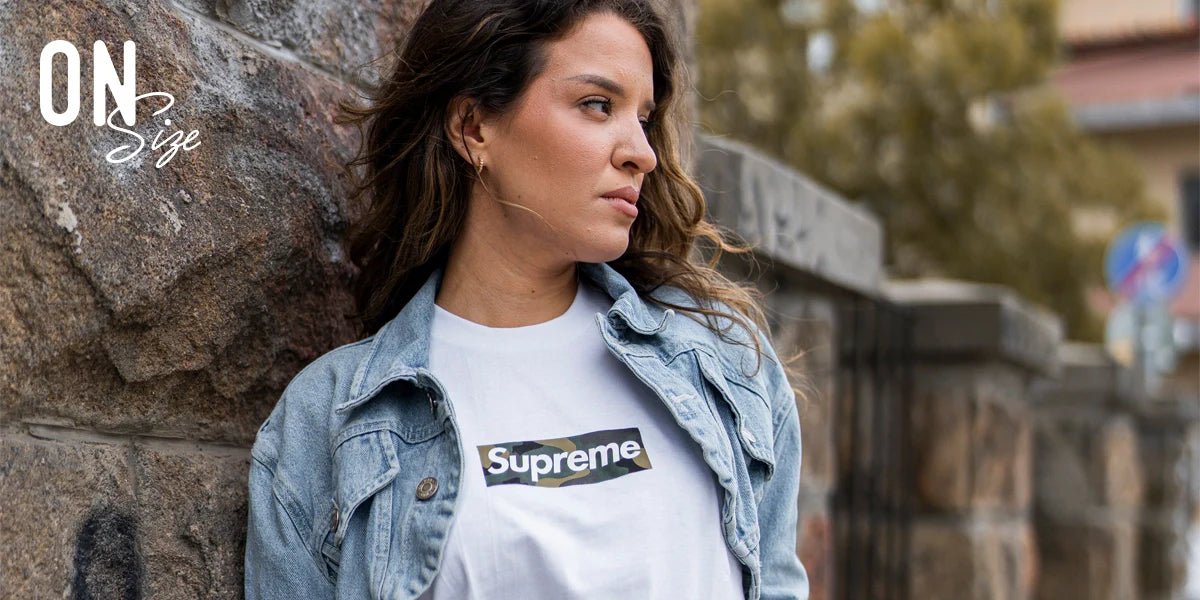
Few brands can say they've not only rebuilt the streetwear world but the entire fashion industry. But Supreme did exactly that. The red-and-white box logo has become a global symbol – conveying not just style, but attitude, an underground spirit and a nose for hype.
But how did a New York skate shop become one of the most defining cult brands in fashion?
The beginnings: a skate shop in the heart of Manhattan
The Supreme story began in 1994 on Lafayette Street in New York, where James Jebbia opened his first store. The goal: to create a place that felt like home for the skate scene, where you didn't have to follow mainstream rules.
Even the store layout was special: clothes along the sides, with space for skating in the middle – this wasn't just a shop, it was a space for the culture.
Why is the Supreme logo so special?
- Simple yet recognizable design: the minimalist box logo is easy to identify anywhere, anytime.
- Limited availability: Supreme clothing and accessories drop in limited quantities, which pushes the logo's value even higher.
- Culture and community: whoever wears the logo isn't just wearing a piece of clothing – they become part of an exclusive, underground streetwear community.
- Hype and the resell market: Supreme products often sell out instantly and change hands on the secondary market for several times the price.

The Supreme logo's impact on fashion and the industry
The red-and-white box logo doesn't just define Supreme's image – it has redefined the worlds of fashion and marketing too. The hype culture behind the logo showed that a simple graphic can become a tool worth millions when positioned right.
- The logo is unique and easy to recognize, which strengthens the brand's identity.
- Its exclusivity has made it a status symbol.
- It plays a major role in shaping streetwear culture.
- The value of logo products keeps rising on the market.
The birth of the “drop” – Supreme as a system
Supreme didn't follow the traditional seasonal collection model. Instead, it came up with something everyone knows today:
Weekly drops – limited, pre-announced releases every Thursday.
This new model:
- created scarcity, which boosted demand,
- generated lines outside the stores,
- and gave birth to resell culture – when pieces get flipped instantly for hundreds of dollars.
So Supreme doesn't just sell products – it sells desire.

Collab culture – from art to luxury brands
One of Supreme's keys was navigating perfectly between culture and commerce. Its collabs were always surprising, sometimes provocative. It's worked with Louis Vuitton, The North Face and Nike, for example.
That's how Supreme became a pioneer of collab culture – and set the blueprint for every streetwear brand following a similar strategy today (e.g. Palace, Off-White, BAPE and more).
The sale – cashing out the culture?
In 2017 Supreme sold a 50% stake to the Carlyle Group, and in 2020 VF Corporation (The North Face, Vans, Timberland) bought the whole brand for $2.1 billion.
For many, this marked the end of its independence, but Supreme still manages to keep its cult status high – because the scarcity and hype model still works.

Supreme's legacy: what it taught the world
- Scarcity creates value.
- Culture can be sold – if it's real.
- Style isn't a trend, it's a message.
- The “drop” became the new form of marketing.
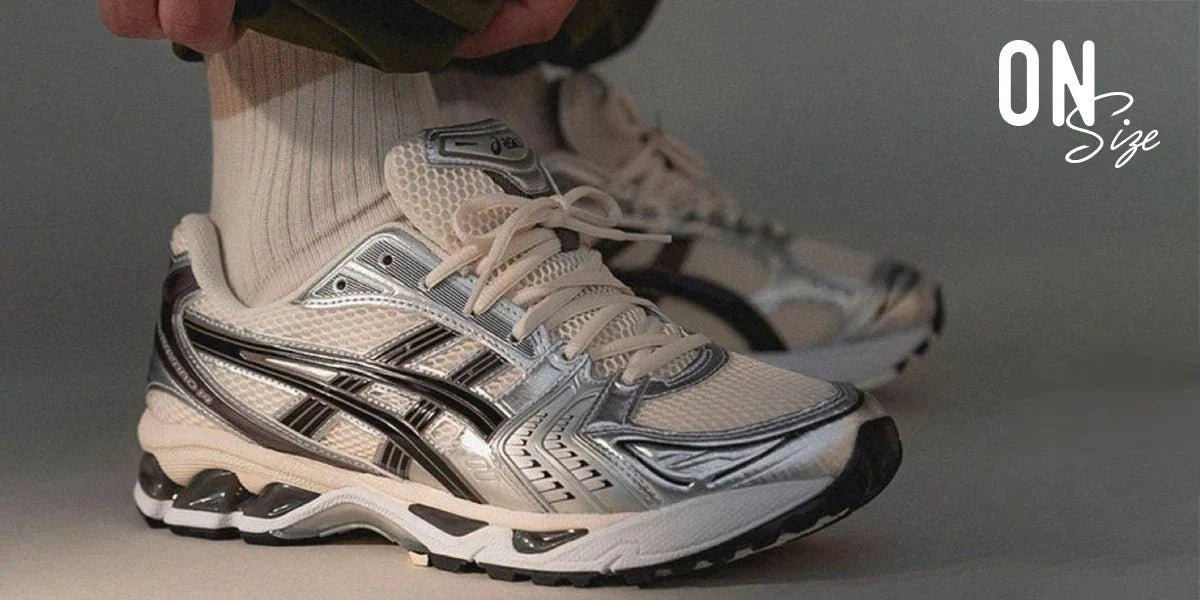
Today almost every big brand “drops”: whether it's Nike's SNKRS app, Travis Scott merch or an ASICS x Kiko capsule. That's Supreme's legacy. If you want a piece of that legacy, check out our lineup!
Image sources: ewanitymarketing.com, tenshi-streetwear.com


Leave a comment
This site is protected by hCaptcha and the hCaptcha Privacy Policy and Terms of Service apply.