
Streetwear 101: what makes a piece ‘hype’?
Streetwear has its roots in 1980s and 1990s America, where skaters, hip-hop artists, surfers and graffiti writers started building their own style – comfy, bold pieces, often covered in logos or messages.
Streetwear is more than just a way of dressing – it's a lifestyle, a community identity and a fashion culture with massive global influence. Today streetwear has become part of high fashion, as all the collabs clearly show. But what makes a piece hype – especially sought-after and coveted?
“Hype” basically means exaggerated buzz. When a company wants to launch a new product, it builds up huge promo and buzz before the release so it sells better and more people buy it. That can backfire: if the product doesn't live up to expectations, we say it was overhyped. Then buyers vent their disappointment on every forum, which can damage the company's reputation.
We talk about hype when a piece is rare, stylish and unique all at once, and connected in some way to contemporary culture – like a famous athlete, a singer or a well-known standout brand.

A piece doesn't become hyped by accident. There's a lot of work behind it: deliberate brand building, limited runs, great marketing and collabs with famous contemporary artists. In streetwear, hype is practically a currency. If the ingredients below are all there, the piece is almost guaranteed to be hype.
Limited runs
One of the most important things that makes a streetwear piece hype is a limited run. A limited run isn't just a production figure – it's a marketing tool and a status symbol at the same time. For streetwear fans it often means: cop it right away or miss out forever.
Celebrities and influencers
When a local star wears a piece, it's instantly in the spotlight, because people want to copy them, which fuels demand. That's how a cult streetwear piece is born.
Collabs
Streetwear isn't just a youth style anymore – this global fashion culture started on the street, and now even the biggest fashion houses bow to it. When big names team up, it adds a new dimension to a piece – it can become a collector's item.
Collabs don't just bring new designs – they bring new audiences too.
Social media & marketing
Social media has become one of the most powerful weapons of modern streetwear marketing: Instagram, Reddit, YouTube and TikTok can blow up around a single drop. Once a piece goes viral, the hype keeps itself going – even people who don't know why want to get their hands on it.

Resell value
Streetwear isn't just style – more and more often it's a financial opportunity too. If you buy a piece at retail and it sells out, you can sell it on the resale market for several times what you paid. The price depends on several factors:
- how rare and sought-after the piece is
- who wears it,
- how much demand there is for it,
- when it dropped
Brands that are popping right now (and why)
In streetwear, trends change fast, but a few brands are really in the spotlight right now.
Supreme
Supreme isn't just a brand – it's a cult, a movement and a legend. It started in 1994 as a small New York skate shop, and today it's grown into one of the world's best-known and most divisive streetwear brands. The classic hype brand, dropping a new collection every Thursday. The iconic box logo and limited availability still work to this day.
Stüssy
Stüssy is one of the very first streetwear brands, laying the foundation the whole culture stands on today. If Supreme is the king, Stüssy is the godfather – in style, authenticity and staying power alike. The OG streetwear brand is having a new renaissance right now, especially thanks to its retro and vintage-inspired pieces.

Trapstar
Trapstar is a London-born streetwear brand that grew out of the meeting of music, street culture and rebellion. They don't just make clothes – they sell a lifestyle inspired by the worlds of trap, grime and UK drill. It started on the streets of London and became a favorite in the grime and rap scene thanks to its hard, dark style.
Aimé Leon Dore
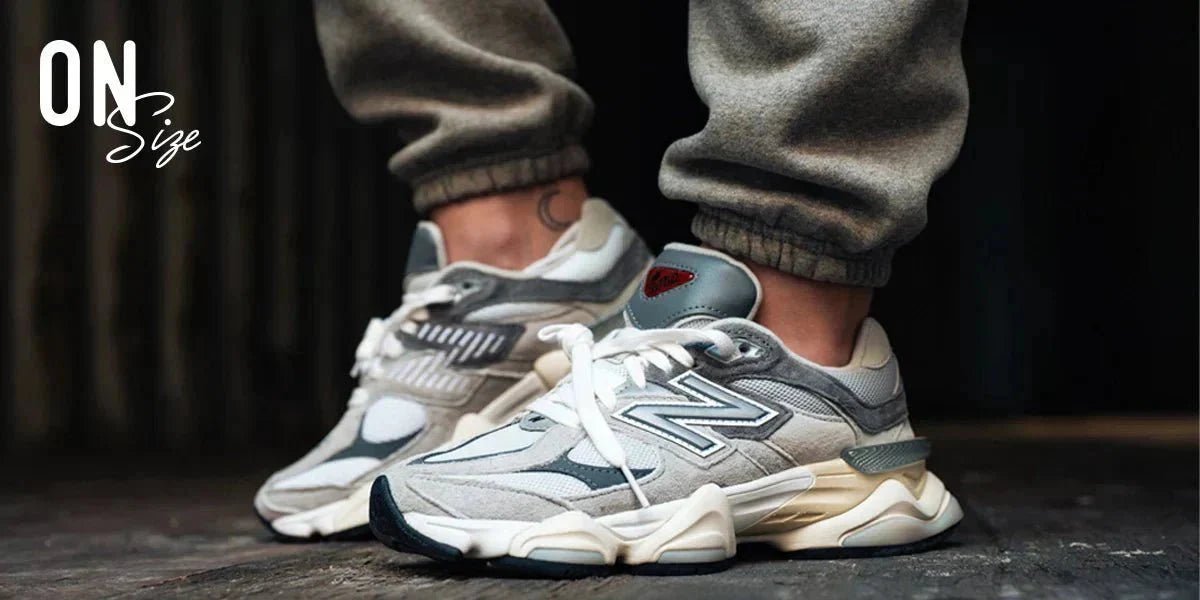
Aimé Leon Dore (ALD) is a brand that blends street style with classic elegance. If streetwear were a mature, clean yet effortlessly cool character, it would probably wear Aimé Leon Dore. The uncrowned king of modern street-prep style. It mixes elegance with streetwear ease – their New Balance collabs are especially sought-after.
Sp5der
Sp5der is one of the loudest, most distinctive streetwear brands of the early 2020s. It's not classic and not subtle – it's eye-catching, colorful and bold, just like the trap culture it grew out of. Young Thug's “spider” brand, whose bright colors, warped lettering and wild prints made it a favorite of the new generation.
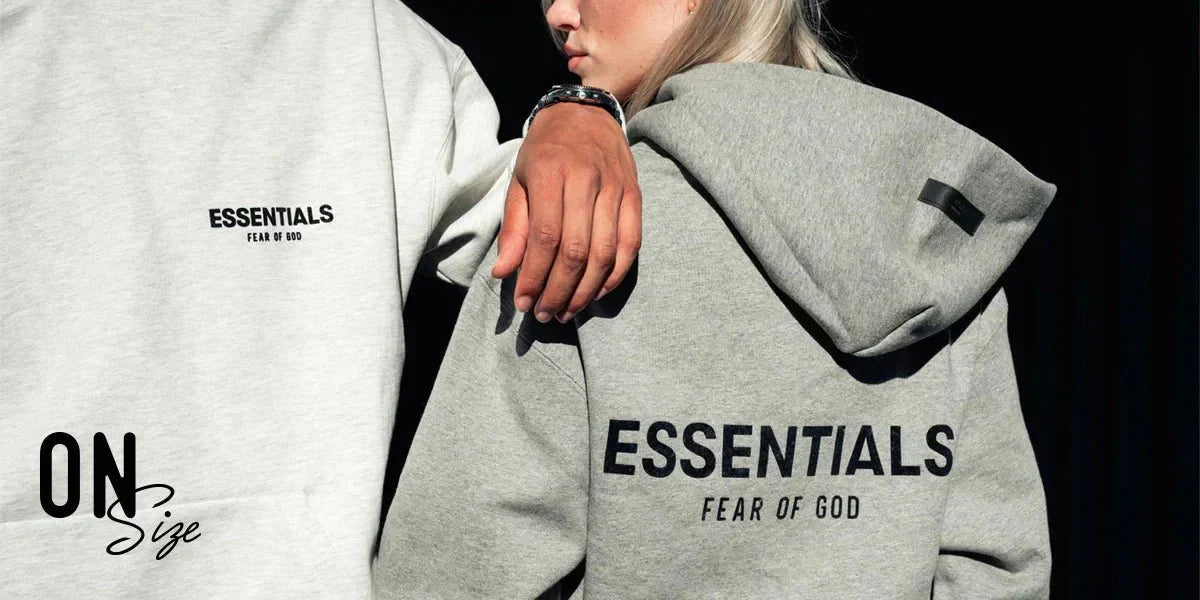
Essentials
Essentials is one of the kings of clean streetwear – oversized fits, neutral colors, premium materials. As a Fear of God sub-label, it delivers minimalist luxury at a more accessible price. The perfect base for any outfit, it goes with any shoe. If you want a clean but hard-hitting style, this is your pick.
What are “drops” and how do you cop them?
In streetwear, a “drop” means a limited run with a timed release. When a brand launches a limited new collection, it's often only available for a few minutes.

How it works:
- Brands announce the next drop in advance – on Instagram, via their newsletter or through their app.
- You can only cop it online and/or in a physical store. It usually doesn't get restocked – if you miss out, it's resell time.
Tips for a successful drop:
- Sign up for newsletters – Supreme, ALD, Stüssy and co. always send notifications.
- Follow drop info pages – e.g. @dropsbyjay, @copdate or Reddit's /r/streetwear.
- Use autofill and fast internet – it can all come down to seconds.
Image sources: https://supreme.com/news/992/images?=3 https://eu.stussy.com/blogs/features/stussy-spring-25-collection https://uk.trapstarlondon.com/

Leave a comment
This site is protected by hCaptcha and the hCaptcha Privacy Policy and Terms of Service apply.